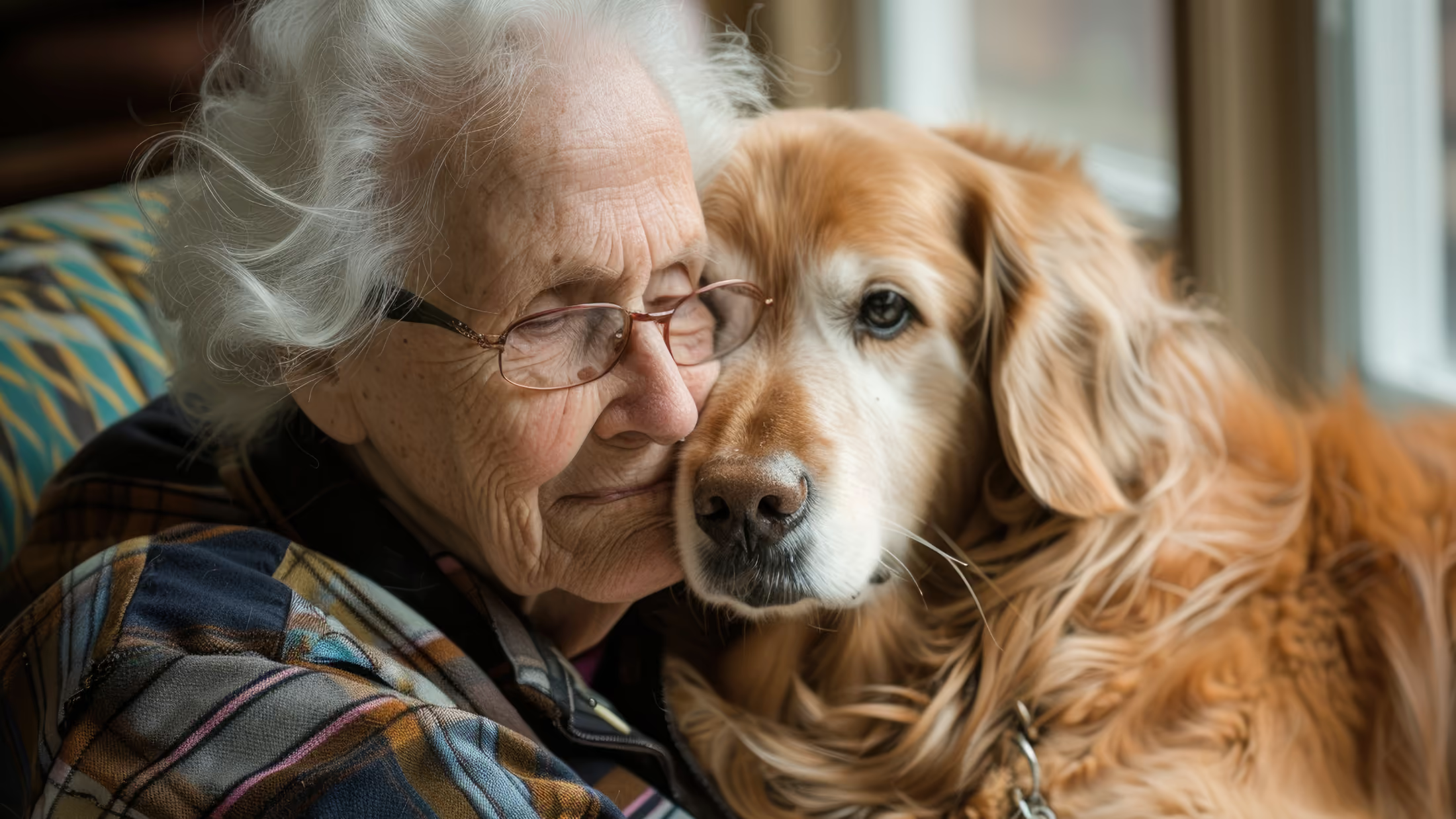
Big life changes don’t just impact you – they deeply affect your animals.
Whether you’re moving, adding a roommate, bringing in a new pet, or welcoming a baby, your animal is trying to make sense of a world that suddenly feels different. And when they can’t, behavior often shifts.
🐾 Why Transitions Are Hard on Pets
Animals rely on predictability and clear roles. When that changes, you may see:
- Anxiety or clinginess
- Reactivity or withdrawal
- Changes in eating or sleep
They’re not being difficult – they’re trying to adjust.
✨ Support Them Before and After
Most people wait until there’s a problem – but preparation changes everything.
I recently brought a foster dog into my home who had never lived with cats (I learned that through animal communication). So from day one, I:
- Hired a trainer
- Created dog-free zones
- Began energy work to support everyone
That’s proactive support, and it matters.
🐶 Real Story: Fear to Peace
My client Lindsey had two anxious dogs and was worried about her unborn baby.
Through energy work and communication (yes, even with the baby), we learned one dog saw itself as a protector—the “nanny.” We paired that with a gentle trainer and clear boundaries in the home.
Today, that family has four kids, and the dogs are calm, integrated, and safe.
🌿 What This Work Does
- Helps your pet understand what’s changing
- Regulates stress (for you and them)
- Creates clear, supportive structure at home
💛 The Goal: Peace in Your Pet Home
When your pet feels heard and prepared, transitions don’t have to be chaotic—they can be smooth, grounded, and safe.
👉 Ready to Help Your Pet Adjust?
- 📅 Book a session
- 💫 Try the Anxious Animal Workshop
- 🐾 Join the Animal Soulmate Fellowship
Or start here: Hidden Reasons for Your Pet’s Problem Behavior – and How to Fix It